Source Square PVC Trunking with Hole for Cable Management
Find 30 listings for Square PVC Trunking with Hole for Cable Management in white, grey, and red. Compare specifications like thickness, length, and certifications from suppliers in China to find the right solution for routing and concealing wiring.
Key considerations
Products List


Variable Sizes Plastic Cable Trunk PVC Trunking Cable Ducting with Cover
$0.80 - $1.00
MOQ: 200 Meters


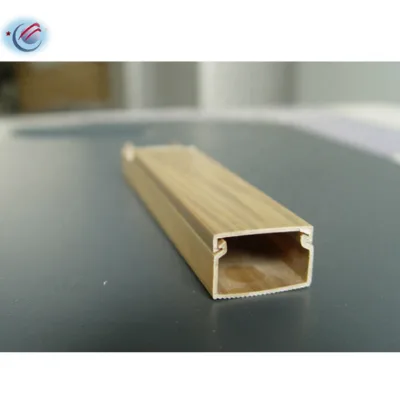
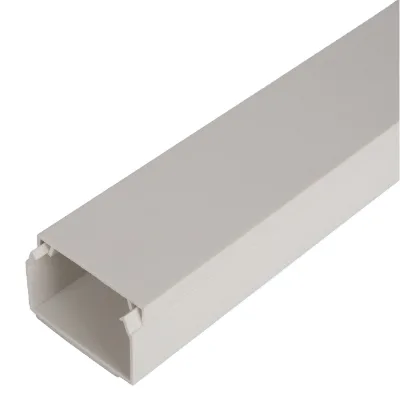
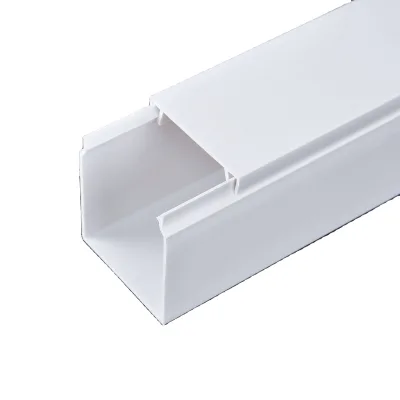
$0.10 - $0.30
MOQ: 500 Minimum
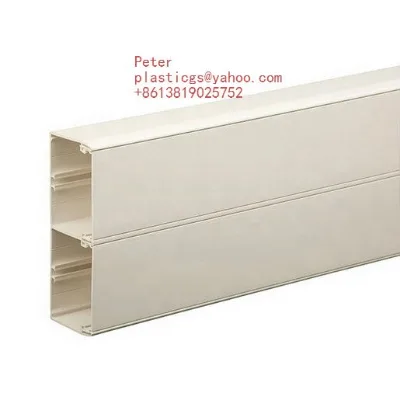
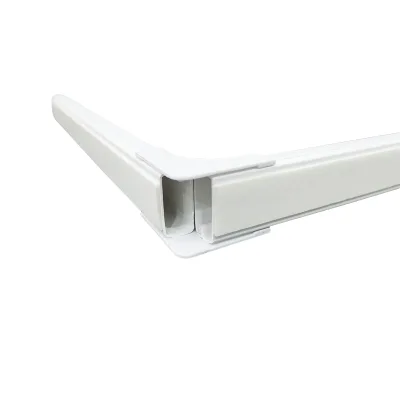
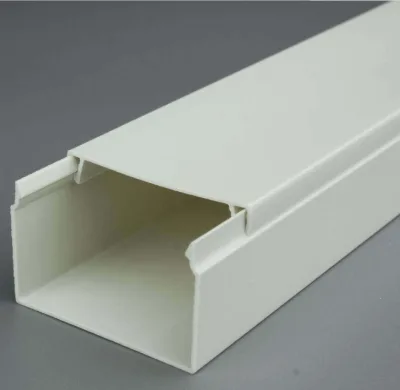


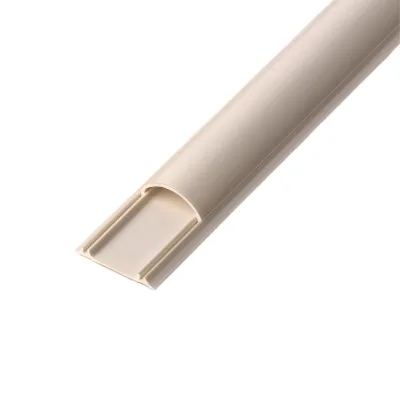
Comprehensive Sourcing Guide
Strategic Sourcing Guide for Square PVC Trunking with Hole for Cable Management
Selecting the correct cable management infrastructure is a critical decision for any facility aiming to maintain safety, organization, and long-term operational efficiency. When the specific requirement is for square PVC trunking with a hole, the procurement process shifts from general purchasing to a highly technical evaluation. This guide provides a disciplined, evidence-based framework for buyers navigating the global market for these specialized conduit systems. The focus remains on verifying observable product attributes, understanding the implications of material properties, and establishing rigorous supplier evaluation criteria without relying on unverified marketing claims.
Technical Specifications and Material Verification
The foundation of a successful procurement for square PVC trunking lies in the precise verification of physical and chemical specifications. Unlike generic conduit, the "with hole" attribute introduces specific design considerations that affect installation and functionality. Based on available market data, the material composition is predominantly Polyvinyl Chloride (PVC). This material choice offers a balance of flexibility, durability, and cost-effectiveness, making it suitable for a wide range of indoor and outdoor applications.
Buyers must scrutinize the dimensional specifications, as these vary significantly between suppliers. The thickness of the trunking is a primary determinant of its structural integrity and protection level. Observed data indicates that thickness options typically range from 0.8mm to 2.0mm, with common increments including 0.8mm, 1.0mm, 1.1mm, and 1.2mm. Selecting the appropriate thickness depends on the intended load-bearing requirements and the environmental conditions where the trunking will be installed. Thicker profiles generally offer superior resistance to impact and crushing forces, which is essential for high-traffic areas or industrial environments.
The shape of the trunking is consistently described as square, which facilitates neat cable routing and maximizes space utilization within walls or ceilings. However, the presence of a hole is a critical differentiator. While some products are listed as "Without Hole," the specific requirement for "with hole" necessitates a detailed review of the product drawings. The hole's location, diameter, and purpose must be confirmed. In some contexts, the hole may serve as a pre-drilled access point for cable insertion or as a mounting feature for securing the trunking to a surface. Buyers should verify if the hole is a standard feature or a custom modification, as this impacts the production timeline and unit cost.
Length specifications also vary, with standard offerings including 2.0 meters, 2.9 meters, 5.8 meters, and lengths ranging from 5 feet to 20 feet. The selection of length should align with the installation strategy to minimize joints and potential failure points. Shorter lengths, such as 2 meters, may be preferred for residential applications or tight spaces, while longer lengths are often more efficient for large-scale commercial projects.
Compliance and Certification Standards
In the realm of electrical infrastructure, compliance is not merely a formality but a fundamental safety requirement. When sourcing square PVC trunking, buyers must demand evidence of adherence to recognized international standards. The supply chain data highlights several key certifications and standards that are frequently associated with these products.
The most prominent certifications observed include CE, RoHS, and ISO. The CE marking indicates conformity with health, safety, and environmental protection standards for products sold within the European Economic Area. RoHS (Restriction of Hazardous Substances) compliance ensures that the PVC material does not contain specific hazardous substances like lead, mercury, or cadmium, which is crucial for environmental safety and worker health. Additionally, ISO certifications, such as ISO9001:2000, suggest that the manufacturer operates under a quality management system that ensures consistent product quality.
Beyond general certifications, specific performance standards are vital. For fire safety, the flammability rating is a critical metric. Some products in the market are rated UL94 V-0, which signifies a non-flame spread product capable of self-extinguishing. This rating is particularly important for applications in commercial buildings, data centers, or any environment where fire safety is paramount. Buyers should verify if the specific trunking model meets the local fire codes of the destination country, as regulations can vary significantly.
The standard IEC (International Electrotechnical Commission) is also referenced in the context of these products. This standard governs the electrical and mechanical properties of the trunking, ensuring it can safely house electrical wiring without degradation. When evaluating suppliers, buyers should request test reports or certificates of conformity that explicitly reference these standards. It is important to note that while some listings mention REACH compliance, which relates to the registration, evaluation, authorization, and restriction of chemicals, this should be verified against the specific batch of products being purchased.
Cost Drivers and Pricing Dynamics
Understanding the cost structure of square PVC trunking is essential for budgeting and negotiation. The price of these products is not uniform and is influenced by several tangible factors. The observed price range in the market spans from $0.05 to $25.80 per unit, a wide variance that reflects differences in material quality, dimensions, and order volume.
The primary cost driver is the material thickness. As noted in the specifications, thickness options range from 0.8mm to 2.0mm. A trunking with a 2.0mm wall will inherently cost more than a 0.8mm version due to the higher volume of raw PVC resin required. Similarly, the inclusion of a hole adds a manufacturing step, which can increase the unit price compared to standard solid trunking. Customization options, such as specific colors (White, Grey, Red, Yellow) or custom lengths, also contribute to cost variations.
Order volume plays a significant role in the final price. The Minimum Order Quantity (MOQ) observed in the market ranges from 1 to 5000 units. Suppliers often offer tiered pricing structures where the unit cost decreases as the order volume increases. For large-scale projects, negotiating based on volume can yield substantial savings. However, buyers must balance the cost benefits of bulk ordering against storage costs and the risk of overstocking.
Lead times are another factor that indirectly affects costs. Delivery times vary from 3 to 5 days for some suppliers to 25-30 days upon deposit for others. Longer lead times may require earlier planning and potentially higher inventory holding costs, whereas expedited shipping for shorter lead times can incur additional freight charges. Buyers should factor these logistical costs into their total cost of ownership analysis.
Typical Applications and Installation Considerations
Square PVC trunking with a hole is designed for specific applications where both cable management and structural integration are required. The primary application is routing and concealing wiring in residential, commercial, and industrial settings. The square shape allows for a clean, aesthetic finish that blends well with interior design, while the hole feature provides a practical solution for cable entry or mounting.
In wall applications, the trunking is often used to hide electrical cables running along the surface of a wall, providing a safer and more organized alternative to exposed wiring. The hole can be utilized to pass cables from one section of the trunking to another or to connect to junction boxes. The material's properties, such as low water absorption (0.12% to 0.25%) and good tensile strength (30~40MPa), make it suitable for environments where moisture resistance is needed, though it is primarily intended for indoor use unless specified otherwise.
The installation process is influenced by the product's dimensions and the presence of the hole. The standard length of 2 meters or 2.9 meters facilitates easy handling and installation by a single worker. However, for longer runs, the trunking may need to be cut to size, which requires careful measurement to ensure the hole aligns correctly with the cable path. The color options, including white, grey, red, and yellow, allow for color-coding of different electrical circuits, which is a best practice in electrical engineering for maintenance and safety.
Supplier Evaluation and Quality Control
Evaluating suppliers for square PVC trunking requires a systematic approach to ensure reliability and product consistency. The first step is to verify the supplier's origin and manufacturing capabilities. Most of the observed products originate from China, with specific mentions of Shanghai as a production hub. While this indicates a mature supply chain, buyers should still conduct due diligence to ensure the supplier has the capacity to meet their specific volume and quality requirements.
Quality control is paramount. Buyers should request samples to verify the physical attributes, such as the exact thickness, the precision of the hole, and the color consistency. The observed product attributes include specific tensile strength and contraction percentages, which should be tested if the application is critical. A reputable supplier will provide a Certificate of Analysis (CoA) or test reports that confirm these mechanical properties.
Packaging is another indicator of supplier professionalism. The observed packaging methods include plastic film, printed bags, bundles, and cartons. Proper packaging is essential to prevent damage during transit, especially for products with pre-drilled holes that could be compromised by impact. Buyers should ensure that the packaging is robust enough to protect the trunking during shipping and storage.
When evaluating suppliers, buyers should also consider their responsiveness and communication. The ability to provide clear documentation, such as product datasheets and compliance certificates, is a strong indicator of a reliable partner. Additionally, the supplier's willingness to accommodate customization requests, such as specific hole placements or colors, demonstrates flexibility and a customer-centric approach.
Long-Term Procurement and Sustainability
Procuring square PVC trunking is not just a one-time transaction but a long-term commitment to the facility's infrastructure. Buyers should consider the lifecycle of the product, including its durability and recyclability. PVC is a durable material that can last for decades if installed correctly, but its environmental impact is a growing concern.
Sustainability considerations include the use of RoHS-compliant materials and the potential for recycling. While the product itself is durable, the end-of-life disposal of PVC can be challenging. Buyers should inquire about the supplier's environmental policies and whether they offer take-back programs or use recycled content in their manufacturing process.
Long-term procurement also involves maintaining a relationship with a reliable supplier who can provide consistent quality over time. This reduces the risk of product variability and ensures that replacement parts or additional units match the original installation. Establishing a clear contract with defined quality standards, delivery schedules, and after-sales support is essential for managing long-term procurement effectively.
Summary of Key Specifications
To assist buyers in their evaluation, the following table summarizes the key specifications and attributes observed in the market for square PVC trunking with hole. This summary serves as a checklist for verifying product details during the sourcing process.
| Attribute | Observed Values / Options | Verification Requirement |
|---|---|---|
| Material | PVC | Confirm grade and additives |
| Shape | Square | Verify dimensions against drawing |
| Hole Feature | With Hole / Without Hole | Confirm hole location and diameter |
| Thickness | 0.8mm, 1.0mm, 1.1mm, 1.2mm, 2.0mm | Request physical measurement |
| Length | 2.0m, 2.9m, 5.8m, 5-20 ft | Confirm cut length accuracy |
| Color | White, Grey, Red, Yellow | Check color consistency |
| Certifications | CE, RoHS, ISO, UL94 V-0 | Request valid certificates |
| Flammability | UL94 V-0 (Non-Flame Spread) | Verify test report |
| Origin | China (Shanghai) | Confirm factory location |
| Packaging | Plastic Film, Carton, Bundle | Inspect packaging integrity |
By adhering to these guidelines and focusing on verified data, buyers can make informed decisions that ensure the safety, efficiency, and longevity of their cable management systems. The procurement of square PVC trunking with a hole requires a balance of technical scrutiny, compliance verification, and strategic supplier selection to achieve optimal results.
FAQs
What certifications are available for square PVC trunking?
Products typically carry CE, RoHS, and ISO certifications. Some listings also include REACH compliance and UL94 V-0 flammability ratings for fire safety. Buyers should verify specific certificates for their target market requirements.
How does thickness affect the trunking price?
Price increases with thickness due to higher material usage. Options range from 0.8mm to 2.0mm, with thicker profiles costing more. Buyers must balance structural needs against budget constraints when selecting wall thickness.
Can I get custom lengths for the trunking?
Customization is available for specific dimensions and features. Standard lengths include 2.0m, 2.9m, and 5.8m, but custom requests may alter lead times. Suppliers should confirm if modifications apply to the hole placement or color.
What is the typical delivery time for orders?
Delivery times vary from 3 to 30 days depending on the supplier. Some vendors offer 3-5 day delivery, while others require 25-30 days upon deposit. Buyers should clarify lead times before placing large volume orders.
Which colors are available for the trunking?
Common colors include white, grey, red, and yellow. These options allow for circuit color-coding and aesthetic matching. Specific color availability depends on the manufacturer's standard inventory and customization capabilities.
How is the trunking packaged for shipping?
Packaging methods include plastic film, printed bags, bundles, and cartons. Proper packaging protects the product during transit, especially for items with pre-drilled holes. Buyers should request details on carton strength for fragile shipments.